Summer Projects at Tyson
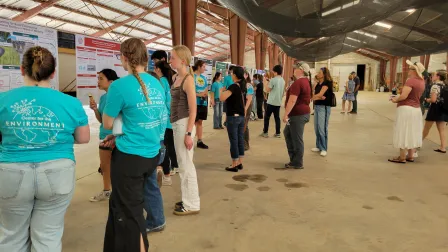
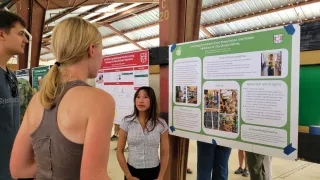
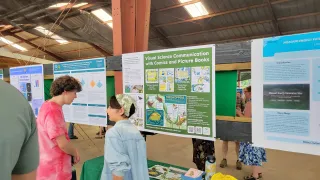
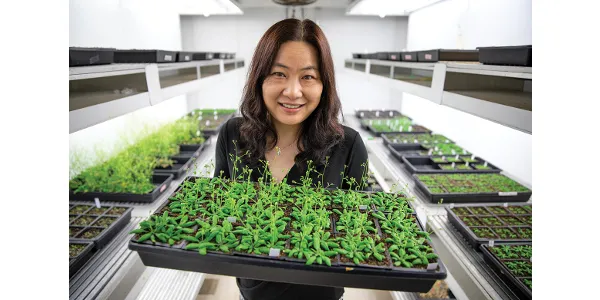
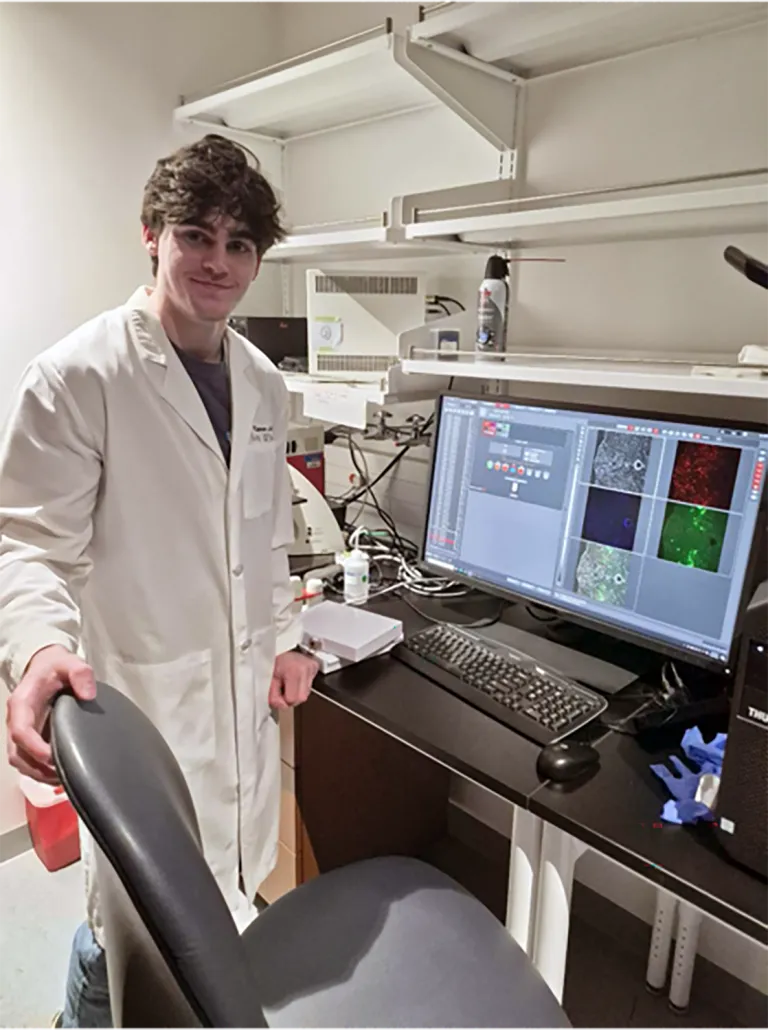
Every summer, Tyson Research Center, WashU’s environmental research campus, hosts dozens of high school and undergraduate students for summer research. The center hosted a poster session on July 30 where students presented their projects. Guests included faculty, staff, and friends and family of the presenters. The poster session covered a wide variety of topics—the history of Tyson, plant pathogens, ticks, mosquitos, farmer’s markets, sustainability, deer, deer mice, snakes, North American grasslands, prescribed fire management, visual science communication through comics, and more. The poster session revealed the vast research opportunities that Tyson provides for faculty and students.
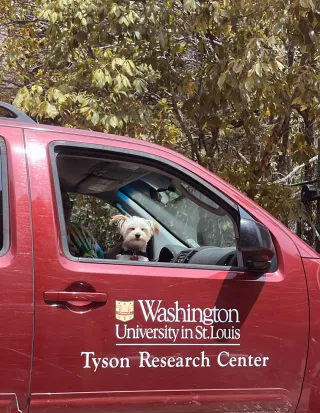
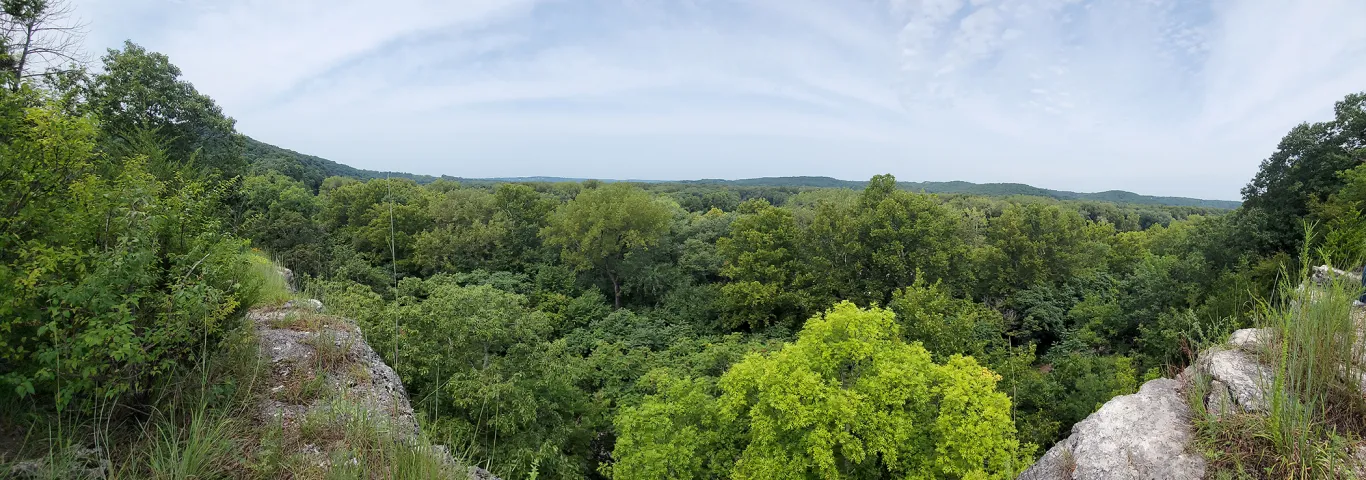
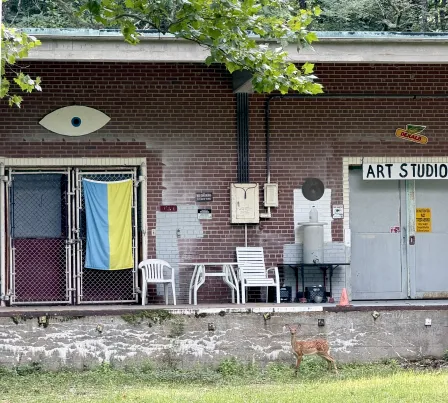
A few weeks later, on a sticky hot August morning, a small group of staff from the Biology Department visited for a tour of the property. We saw an array of solar panels, lab spaces, a green building called the Tyson Living Learning Center with classrooms and gathering spaces, and a research garden. Office Manager Katie Zimmer and her dog Riley drove us over bumpy service roads, past woods and restored prairie fields, to check out old military bunkers, a cave, an observatory, a resident artist studio, and an amazing forest overlook. We learned about so many different amazing research projects, but more importantly, the experience taught us that Tyson is so much more than a field station. Tyson is the perfect place to be during a zombie apocalypse.
The cave and World War II bunkers provide shelter, solar panels provide energy, and a water collection system provides gray water for a large garden where crops can be grown. Tyson is home to a large deer population, another great source of food. Wolves from the on-site Endangered Wolf Center and security fences could provide ample zombie protection. We joke about this on our car ride through the property.
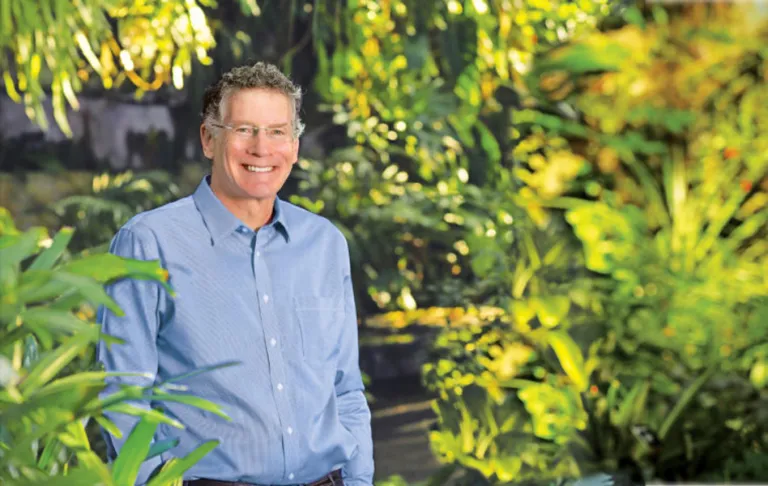
This cheerful camaraderie is typical of the Tyson staff, students and faculty. Tyson is more than a workplace. It’s a community, a family held together by a team of incredible, smart, caring people and their dogs with Director Kim Medley at the helm. The Tyson family eats lunch together every day at noon. They take turns bringing food to share since it is a remote location with no access to restaurants. They take walking meetings on the grounds together daily. They have weekly colloquials with students to stay up to date with current research projects. They treat their clothing with permethrin to help ward off prolific ticks and mosquitoes monthly. They host tie-dye parties to make Tyson-branded t-shirts with students. They have dinner together after special events like the summer poster session, and an annual bonfire to ring in the autumn season. Whiteboards posted outside of the labs show little drawings and inside jokes between researchers. Everything at Tyson is designed to foster community, and I can’t think of anything more important to human survival.
Learn more about the people and projects of Tyson Research Center here: https://tyson.wustl.edu/.