Timeline

Meet the Arboretum’s newly recognized cultivar: Quercus ×tottenii ‘Sweet Braude ’

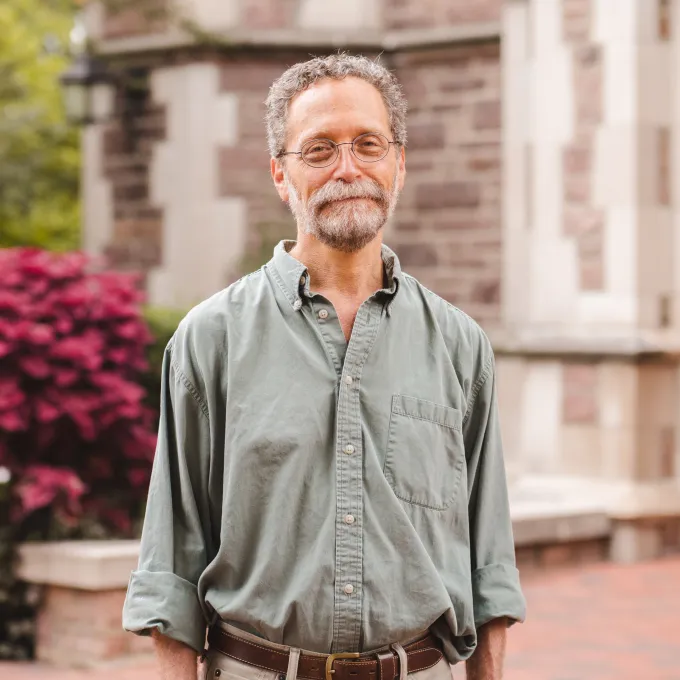
The tree is named in honor of the late Dr. Stan Braude, whose energy, passion and kindness deeply touched all who had the privilege of knowing him. He was known for his mammalian expertise and his role as curator of the WashU Arboretum. Braude’s curiosity and deep fascination with plants led him from tree to tree week after week, foraging and noticing the incredible features of the plants. The discovery of ‘Sweet Braude’ occurred in November 2022 among the hundreds of oaks scattered across the university’s 169-acre Danforth Campus. This oak was quickly recognized as unique for producing acorns with an unexpectedly sweet flavor—a rarity among oaks, which are typically known for their bitter, tannin-rich seeds.

the faculty bookshelf
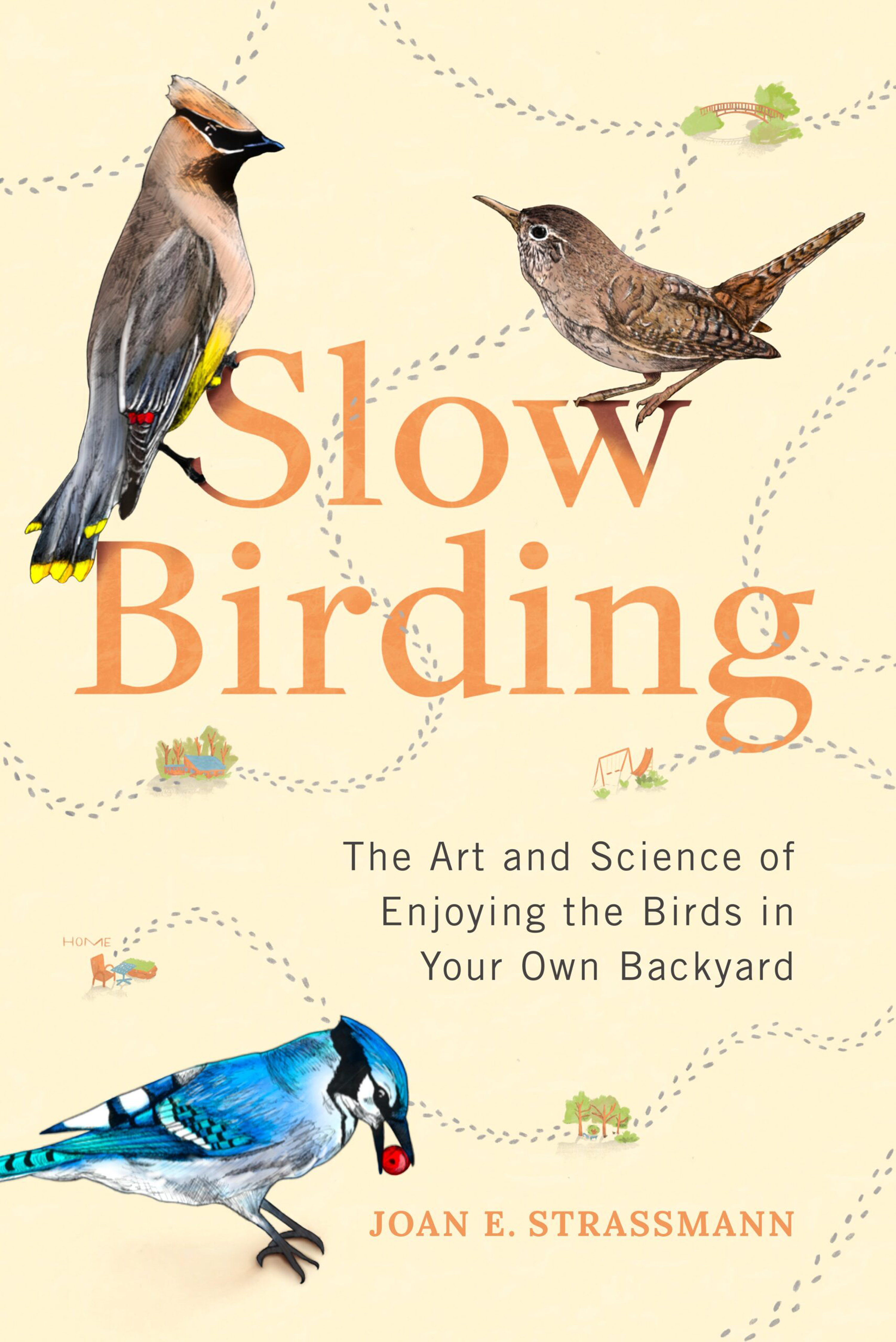
Slow Birding: The Art and Science of Enjoying the Birds in Your Own Backyard

Many birders travel far and wide to popular birding destinations to catch sight of rare or “exotic” birds. In Slow Birding, evolutionary biologist Joan E. Strassmann introduces readers to the joys of birding right where they are.

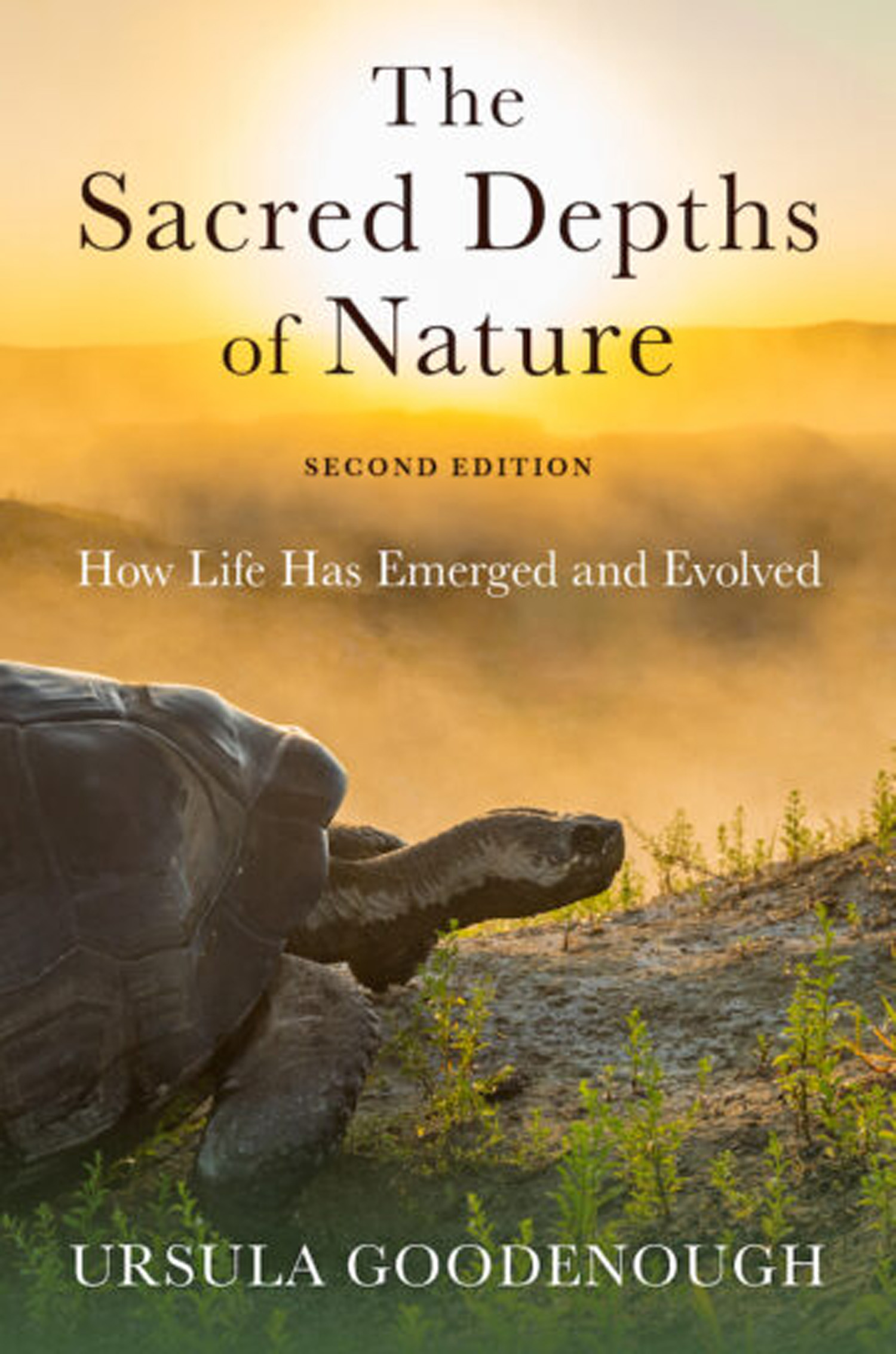
The Sacred Depths of Nature: How Life Has Emerged and Evolved (second edition)

For many of us, the great scientific discoveries of the modern age–the Big Bang, evolution, quantum physics, relativity–point to an existence that is bleak, devoid of meaning, pointless. But in “The Sacred Depths of Nature,” eminent biologist Ursula Goodenough shows us that the scientific world view need not be a source of despair. Indeed, it can be a wellspring of solace and hope.

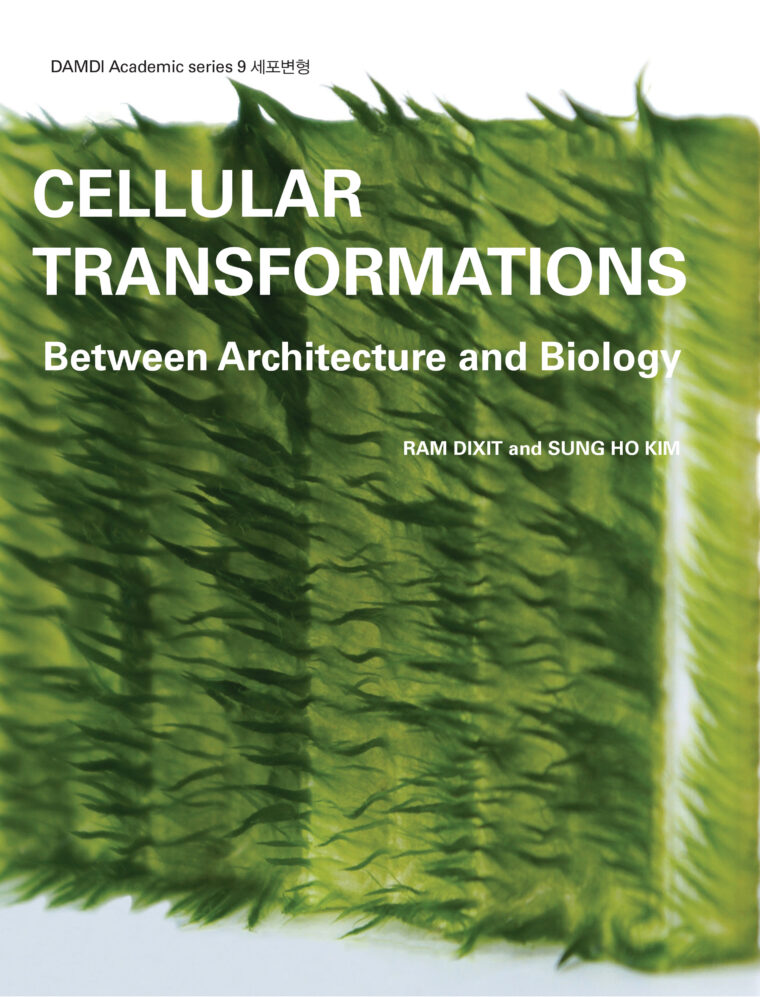
Cellular Transformations: Between Architecture And Biology

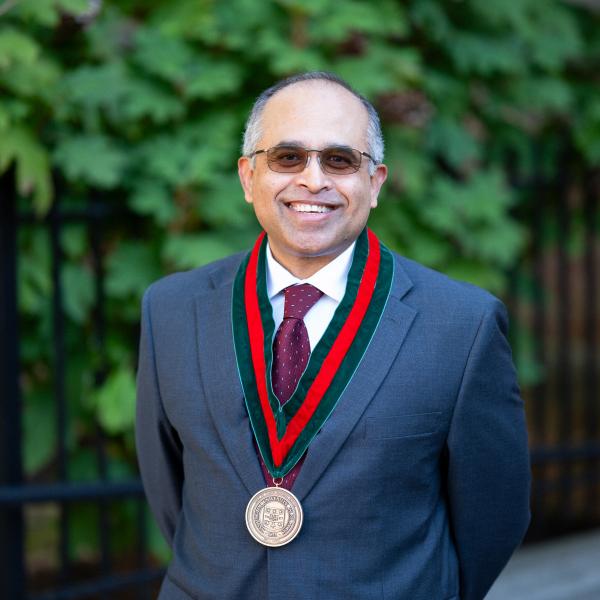
“Cellular Transformations” presents a course developed for students who are interested in emerging technologies and cross-disciplinary approaches in design strategies. Relying on how advances in engineering and biology are influencing design production and implementation, professors Ram Dixit and Sung Ho Kim at Washington University in St. Louis explore the premise that structure (or form) and function are inexorably linked in both the natural and artificial worlds. By leading a course of experimentation and research that is embedded in technical and design issues which are transferable to real-world applications, they aim to change our expectations of the built environment.